Roof Restoration or Replacement: Which Fits Your Roof?
Restoration retains a suitable existing roof covering and repairs its defects. Replacement removes and renews the covering. The right decision depends on condition, remaining serviceability and the amount of work needed to make the whole roof dependable.
Updated
Bottom line: restore when the existing covering remains a sound base for repair and protective work. Consider replacement when failure is widespread, materials are no longer serviceable or repeated repairs would only postpone the larger project.
When restoration may make sense
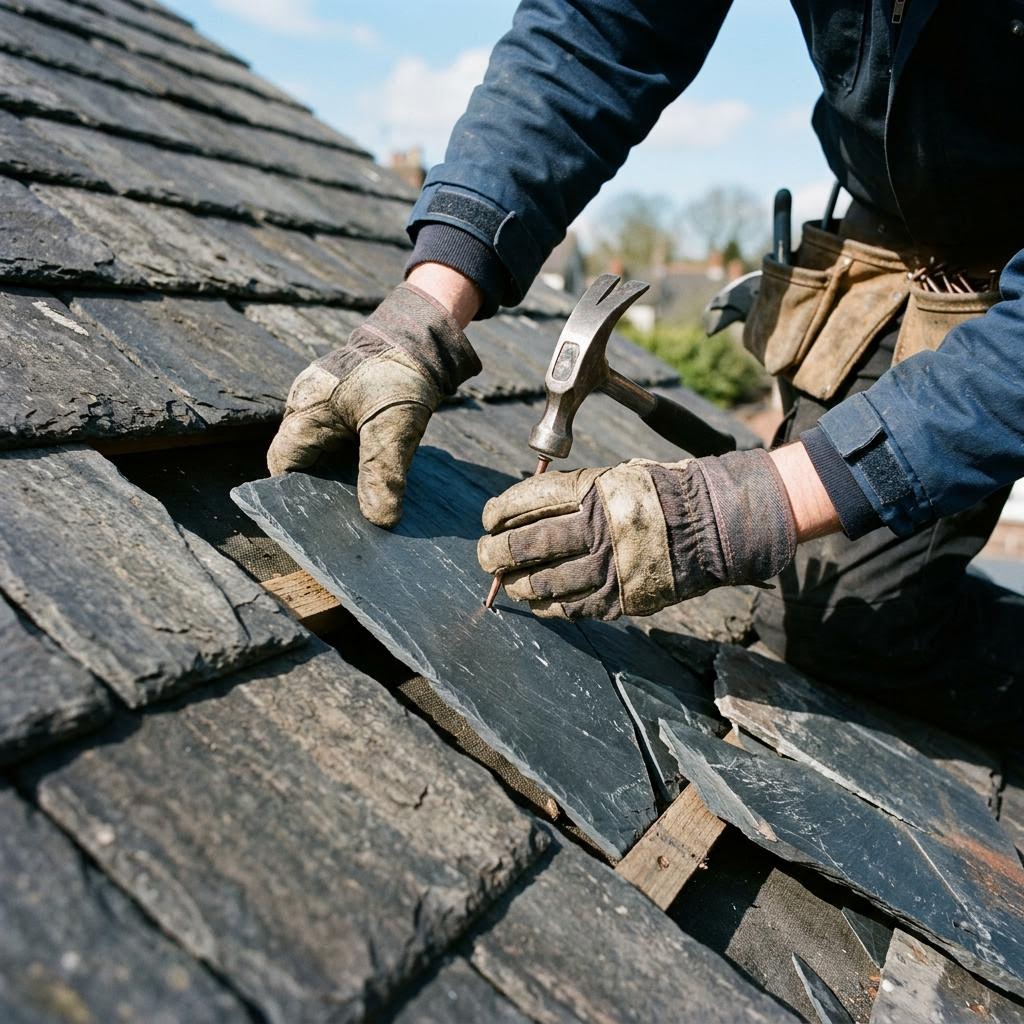
Restoration can suit a roof with a serviceable structure and covering where defects are repairable. Typical scopes may address tiles or sheets, ridge capping, flashings, fasteners, cleaning and compatible protective treatments.
The inspection should show that the roof is a suitable candidate. A coating does not turn an unsuitable substrate into a sound roof.
Localised defects
Damage is repairable without replacing large areas of the roof covering.
Serviceable material
Tiles or sheets can support the proposed repair and finish system.
Defined scope
Preparation and repairs can be documented with manageable allowances and exclusions.
When replacement may offer better value
Widespread corrosion, brittle or failing materials, recurring leaks in multiple areas and substantial substrate issues can shift the balance toward replacement. A material change may also be part of a broader renovation.
Replacement costs more upfront because it includes removal, disposal and new roof components, but it can avoid stacking restoration costs onto a roof with limited remaining life.
A practical decision process
Start with a condition report or detailed quote that separates essential repairs, optional appearance work and replacement triggers. Ask how long the proposed scope is expected to remain practical, without relying on unsupported lifespan promises.
Compare the total scope, disruptions, maintenance needs, applicable warranties and future plans for the property. If recommendations differ sharply, a second assessment can clarify the condition evidence.
Frequently asked questions
Is roof restoration always cheaper than replacement?
The initial scope is often smaller, but value depends on whether the roof is a suitable restoration candidate. Restoring a severely deteriorated roof can defer rather than avoid replacement.
Does an old roof automatically need replacement?
Age is one factor, not the whole decision. Material condition, active defects, previous repairs and the underlying structure should also be assessed.
Compare the scope, not just the headline
A useful roofing quote explains observed conditions, proposed work, exclusions and the next safe step in plain English.
Check Melbourne service-area information