Roof Restoration Melbourne for Tile and Metal Roofs
A roof restoration is a coordinated program of cleaning, repairs and protective work intended to extend the useful life of a suitable existing roof. The right scope depends on the roof material, its condition and the causes of any leaks or deterioration.
Bottom line: restoration is worth considering when the roof structure remains serviceable but tiles, pointing, fasteners, flashings or coatings need attention. An inspection should separate essential repairs from appearance-only work before a quote is prepared.
What a roof restoration can involve
No two Melbourne roofs need exactly the same treatment. A concrete tile roof may need broken tiles replaced, ridge capping rebedded or repointed, cleaning and a compatible coating system. Terracotta tiles require a different assessment because some products and coatings are not suitable for every terracotta surface.
Metal roofing may need corrosion treatment, fastener replacement, flashing repairs and a compatible protective finish. Valleys, gutters, penetrations and stormwater paths should be assessed alongside the main roof surface.
Condition assessment
Identify the roof material, active defects, moisture entry points and areas that need closer investigation.
Repair scope
Document tile, pointing, flashing, fastener, valley and sheet repairs before cosmetic work is considered.
Finish options
Confirm whether cleaning, sealing or coating is appropriate for the existing material and its condition.
A practical roof restoration process
A restoration should begin with a condition assessment rather than a standard package. The roof covering, ridge capping, valleys, flashings, penetrations, fasteners, drainage and signs of water entry all help determine the work that belongs in the scope.
Repairs and preparation come before appearance work. Cleaning methods, replacement materials, pointing products, primers and protective finishes should suit the existing roof, with weather windows and curing requirements considered before each stage.
Inspect and document
Record the roof material, visible defects, moisture evidence, access limits and connected drainage issues.
Repair and prepare
Complete agreed tile, ridge, flashing, valley, fastener or sheet repairs before finishing work begins.
Finish and review
Apply only compatible treatments, protect surrounding property, clean the site and document the completed scope.
Concrete tile, terracotta, metal and older roofs
Concrete tile roofs may be candidates for cleaning, tile replacement, ridge work and a compatible coating when the tiles and supporting roof remain serviceable. Terracotta needs a different assessment because its surface, previous treatments and degree of weathering can limit suitable cleaning or coating options.
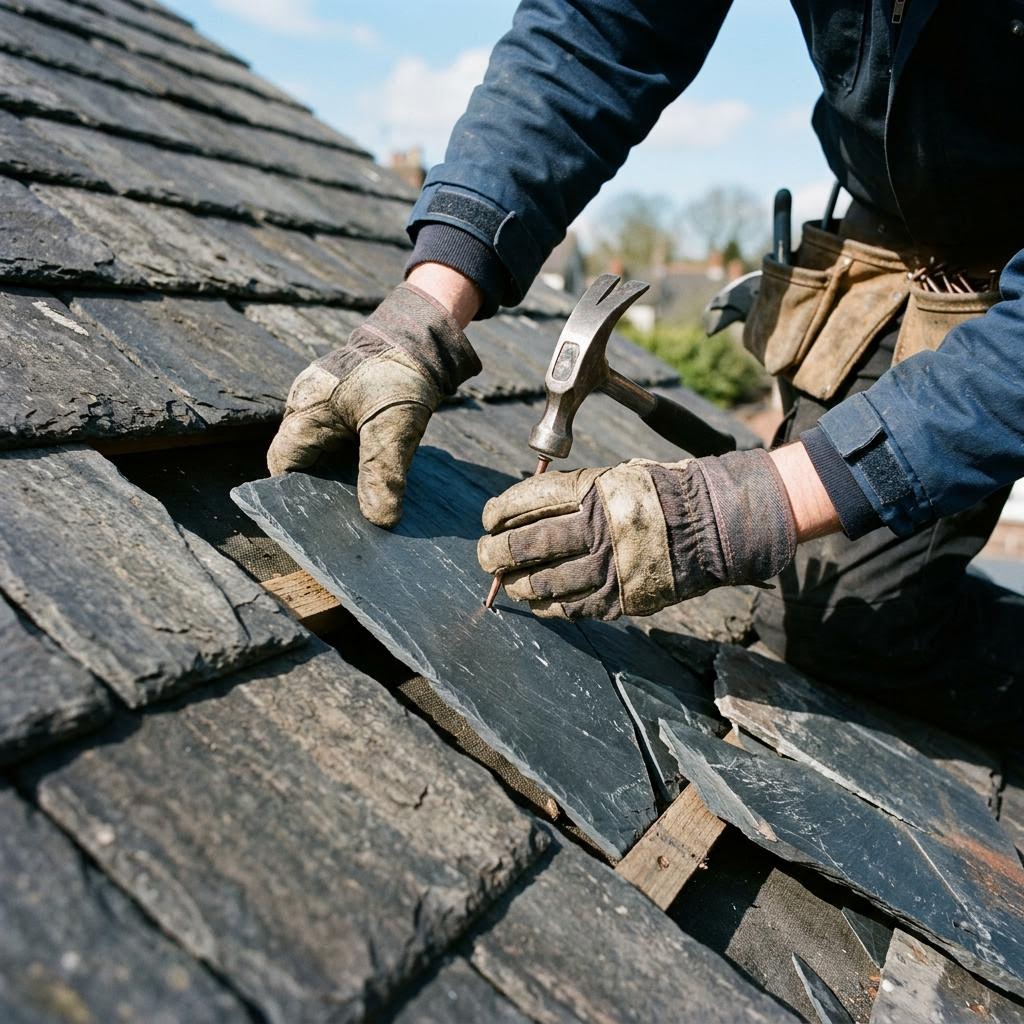
Metal roof restoration decisions can involve corrosion, loose fasteners, laps, flashings and previous coatings. Slate, heritage and other older roofs may contain materials and details that call for specialist assessment rather than a generic restoration system.
Restoration versus isolated repair
A localised repair can be sensible when damage is confined to a small area and the surrounding roof remains sound. Restoration becomes more relevant when wear is widespread or several connected components need attention at the same time.
The scope should explain why each stage is proposed. Pressure cleaning alone does not repair a roof, and a coating should not be used to conceal cracked tiles, loose pointing, rust or failed flashing.
Planning around Melbourne conditions
Melbourne weather can move quickly between heat, wind and rain. Roof access, washing, repair products and coating stages all need suitable conditions. A sensible schedule includes weather checks and clear advice about what happens if conditions change.
Before accepting a quote, compare the preparation work, repair allowances, product system, exclusions, clean-up and any applicable workmanship or manufacturer warranty in writing.
When restoration may not be the right option
Restoration cannot make every roof serviceable. Widespread material failure, extensive corrosion, recurring defects across several roof areas or problems with the supporting structure may make partial or full replacement more practical.
A useful recommendation explains the boundary between repair, restoration and replacement. Homeowners should be able to see which defects are being addressed, which remain outside the scope and why the proposed option suits the observed condition.
Frequently asked questions
How do I know whether my roof is suitable for restoration?
Suitability depends on the roof structure, material and extent of deterioration. An inspection should identify whether repairs and protective work are practical or whether sections of the roof need replacement.
Does every roof restoration need painting?
No. The appropriate finish depends on the roof material and condition. Painting or coating should only be proposed when the surface is suitable and the product system is compatible.
How long does a roof restoration take in Melbourne?
Timing depends on roof size, access, repair extent, material, product curing requirements and suitable weather. A written scope should set out the stages and explain how rain, wind or temperature delays will be handled.
Can an older or heritage roof be restored?
Some older roofs can be repaired or restored, but material condition and original detailing need careful assessment. Slate, terracotta and heritage roof elements may require specialist methods rather than a standard cleaning and coating package.
Compare the scope, not just the headline
A useful roofing quote explains observed conditions, proposed work, exclusions and the next safe step in plain English.
Check Melbourne service-area information